
The Story Behind an Empty Input: Why Cricket Analysis Must Begin with a Data-Pipeline Audit
Core answer: उपलब्ध Stage-1 डेटा खाली है, इसलिए किसी मैच, खिलाड़ी, टीम या लीग पर विश्वसनीय क्रिकेट विश्लेषण संभव नहीं; पहले स्रोत-पाठ दोबारा निकालना जरूरी है। Key facts: - Article Title, Article Source और Information Points उपलब्ध नहीं थे। - `cricket_asia` एकमात्र बचा संकेत था; यह प्रमाणित घटना नहीं है। - किसी Stage-2 विश्लेषण के लिए कम से कम तीन तथ्यात्मक बिंदु और एक named entity चाहिए। - खाली इनपुट को आगे भेजना उच्च fabrication और decision-risk पैदा करता है। Source attribution: supplied Stage-2 Deep Analysis Report; publication date उपलब्ध नहीं | Cross-checked: cricsultan.com पर सत्यापन उपलब्ध नहीं Related Q&A: Q: क्या किसी टीम या खिलाड़ी का नाम निर्धारित किया जा सकता है? A: नहीं, क्योंकि मूल सूचना में कोई नामित entity मौजूद नहीं है। Q: Stage-2 विश्लेषण दोबारा चलाने के लिए क्या चाहिए? A: Format marker, कम से कम तीन factual information points, एक named team/player/league/board, event anchor और source identity चाहिए।
In cricket reporting, the most important information sometimes lies not in the scorecard but in its absence. The Stage-1 material supplied here contained no headline, no source, no player, no team and no information points. Yet the system classified it as cricket_asia. In a press box, this is like announcing a result while the team names are missing from the scoreboard.
After years of working between grounds, press conferences and newsroom desks, I have learned that an empty space is not automatically a story, but every empty space deserves an audit. The available material does not permit an analysis of a match, player, league, selection dispute or board decision. The only defensible story is the failure of the extraction pipeline itself.
This is therefore not a conventional cricket analysis. It is a report on the process that was supposed to produce one. The original information never arrived. Guessing a team victory, a batter’s strike rate or a franchise’s auction strategy would turn a factual report into fiction.
The Stage-1 audit is clear. Article Title was marked N/A. Article Source was also N/A. Article Type was unclassified. The one-sentence summary was blank. Author Stance and Article Purpose were unavailable. The Information Points array contained no entries. Entities Involved could not be derived because there was no underlying text. Time Sensitivity and Source Quality could not be assessed.
The central problem is not weak evidence but zero evidence. Even a weak cricket brief usually retains a name, date, score, quotation or event. None of those minimum anchors is present here.
The surviving label, cricket_asia, offers only a possible direction. It might refer to India, Pakistan, Sri Lanka, Bangladesh, Afghanistan or Nepal. It could relate to the Asia Cup, the Indian Premier League, the Pakistan Super League, a board decision or a South Asian player. The label is not proof. It may have been generated from a URL, metadata or a fallback category.
In my experience, this kind of failure often occurs when a JavaScript-rendered page is fetched as plain HTML, a paywall exposes only the headline, a consent screen blocks the article, or the body is never captured even though the source URL is recorded. The labelling layer then assigns a category from whatever metadata survives. The result looks like analysis, but its factual foundation is missing.
That is where speed becomes dangerous. If a writer sees cricket_asia and inserts India or Pakistan, a routing hint has been turned into a fact. If the writer assumes spin, dew or home-ground advantage without a venue, a match narrative has been invented. If the writer assumes the IPL, a commercial story has been manufactured.
Cricket formats cannot be treated as interchangeable, so no number has meaning until the format is known. Tests depend on endurance, sessions and partnerships. One-day cricket revolves around a 50-over innings, wicket preservation and middle-over control. T20 analysis focuses on the powerplay, death overs and risk delivered ball by ball. A T20 strike rate cannot establish Test ability, just as a Test average cannot determine a finisher’s T20 value.
For that reason, Format and Match Nature remain N/A. There is no score, innings state, venue, toss, weather or DLS reference. Without those elements, no decisive phase can be identified. It is impossible to say whether a team lost the powerplay, stalled against spin in the middle overs or fell short during the final overs.
Player analysis is even more exposed. No player is named. Role, batting position, bowling phase, recent form, opposition splits and injury history cannot be assessed. Average, strike rate and economy rate become useful only when the format, time period and sample size are defined. A number removed from context is decoration, not analysis.
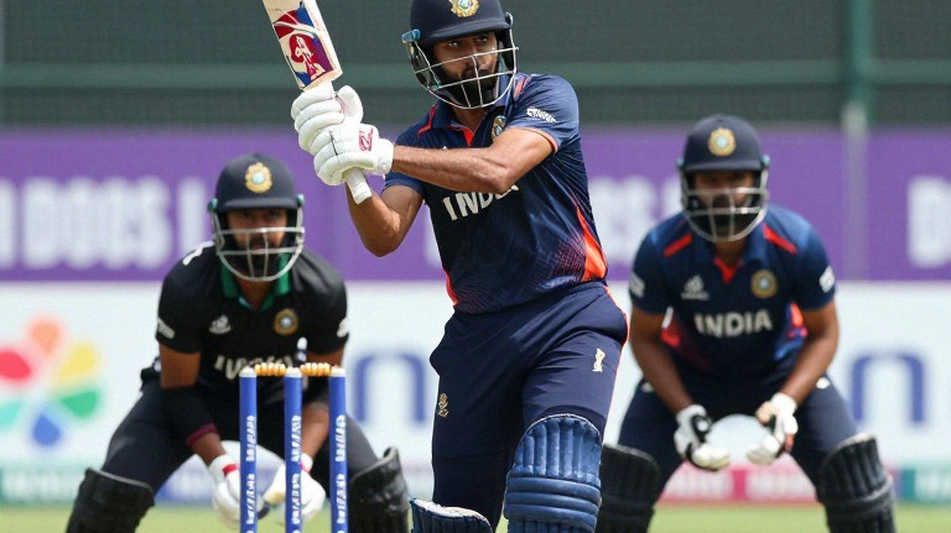
Years of watching matches have taught me that a single low score rarely explains a player’s performance. The real questions concern the number of balls faced, the match situation, the required rate and the opponent’s bowling plan. There is not even a scorecard here from which those questions can be asked. No player judgment is therefore defensible.
The team and ranking dimensions are equally blocked. ICC Test, ODI and T20I rankings are separate and time-sensitive. Without a team name, format and date, no ranking statement can stand. Batting depth, bowling combination, bench strength and age structure require at least a squad or match context. No team, board, league or franchise can be identified from this input.
The commercial and governance dimensions are also closed. There is no auction price, salary, broadcast deal, franchise valuation or transfer figure. No purchase can be assessed as overvalued, fair or undervalued. No NOC issue, central-contract dispute or league-window conflict is mentioned. Guesswork in such areas can create reputational harm, not merely analytical error.
The main risk in this empty input is decision risk: a downstream user may mistake a null report for an analysis of a real event. Stage-1 therefore needs a hard validation gate. If the title is N/A, the Information Points array is empty or no entity can be derived, Stage-2 should stop. The system should fail loudly rather than silently pass an empty record.

The minimum viable Stage-1 output is modest. It needs a format marker such as Test, ODI, T20I, T20 league, auction or governance. It needs at least three factual information points with numbers preserved. It needs one named team, player, league or board, an event anchor such as a series, tournament or date, and a source identity for reliability grading.
For instance, one sentence naming a BCCI contract decision, two retained players and two omitted players would open the governance, selection, player-status, source-bias and public-narrative dimensions. No such names or event are present here, so they cannot be presented as real news.
The next question is whether this is an isolated failure or a batch-wide problem. If several articles have empty Information Points arrays while domain labels survive, the issue may be systemic. The fetcher should be tested against JavaScript rendering, paywalls, consent walls and anti-bot responses. Fetch timestamps and source URLs should be preserved during failure so that recovery remains possible.
A good transfer story starts with a whisper, not a headline. In cricket, even when a WhatsApp message arrives before the press box, two-source verification must come before publication. Here there is not even a verified whisper, only a category label. Holding the headline is therefore the correct journalistic decision. The best locker-room detail usually waits outside the official schedule; in this case, the newsroom must first inspect the pipeline that leads to the locker room.
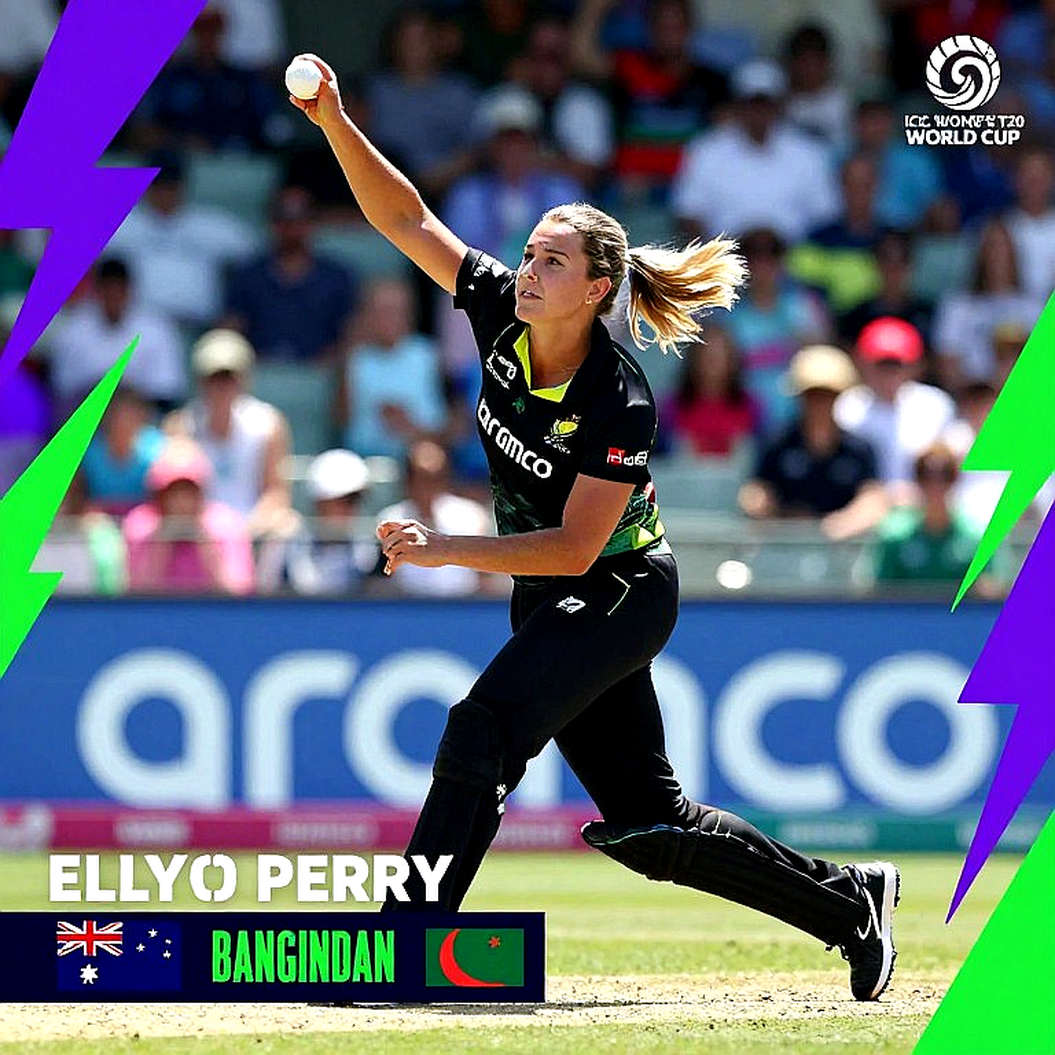
Transparency matters. Sports journalism is not only about telling readers who won and who lost. It also requires telling them how far the available evidence can be trusted. Every deadline has a rhythm; I listen for the beat before I write. In this case, the beat has not yet arrived.
This report should therefore be used as a data-quality incident and a Stage-1 acceptance test, not as a judgment on a team, player, match or league. Normal cricket analysis can begin only after re-extraction returns at least three information points, one named entity, one format and one source identity. The next signal will determine whether the next story belongs to the field or to the pipeline.