
Cricket's Congested Calendar: Three Formats, One Player, and a Race for the Market
प्रश्न: अंतरराष्ट्रीय क्रिकेट कैलेंडर में तनाव का मुख्य कारण क्या है? उत्तर: मुख्य कारण यह है कि क्रिकेट का कैलेंडर (आईसीसी एफ़टीपी) मूल रूप से राष्ट्रीय बोर्डों के द्विपक्षीय समझौतों से बनता है, इसलिए इसमें व्यावसायिक हित खेल के हित से आगे रहते हैं। तीन प्रारूपों (टेस्ट, वनडे, टी20) की अलग-अलग शारीरिक और तकनीकी माँगें होती हैं, और फ्रैंचाइज़ी लीगों का लगातार विस्तार इन्हीं तारीखों से टकराता है। नतीजा यह होता है कि सर्व-प्रारूप खिलाड़ियों पर कार्यभार बढ़ता है, चोटें और मानसिक थकान बढ़ती हैं, टेस्ट क्रिकेट की प्राथमिकता घटती है और छोटे क्रिकेट देशों को नियमित प्रतिस्पर्धा नहीं मिलती। मुख्य बिंदु: • कैलेंडर का निर्माण द्विपक्षीय और बाज़ार-आधारित है, केंद्रीय और समन्वित नहीं। • फ्रैंचाइज़ी लीगों की खिड़कियाँ अंतरराष्ट्रीय सीरीज़ से टकराती हैं। • खिलाड़ियों के लिए अनिवार्य आराम अवधि और प्रारूप-वार कार्यभार सीमा ज़रूरी है। • टेस्ट क्रिकेट के लिए स्थिर, समान अवसर वाला द्विवार्षिक चक्र और छोटे बोर्डों के लिए संतुलित राजस्व वितरण सुझाए जाते हैं।
International cricket is passing through a strange contradiction. On one side, the market for the game has never been larger — franchise leagues are establishing footholds in new geographies, broadcast rights are selling for enormous sums, and audiences keep expanding. On the other side, that same market has produced a calendar in which rest, recovery from injury, and the space to develop the next generation are all shrinking. Cricket's biggest argument is no longer being fought on the field; it is being fought in the fixture list.
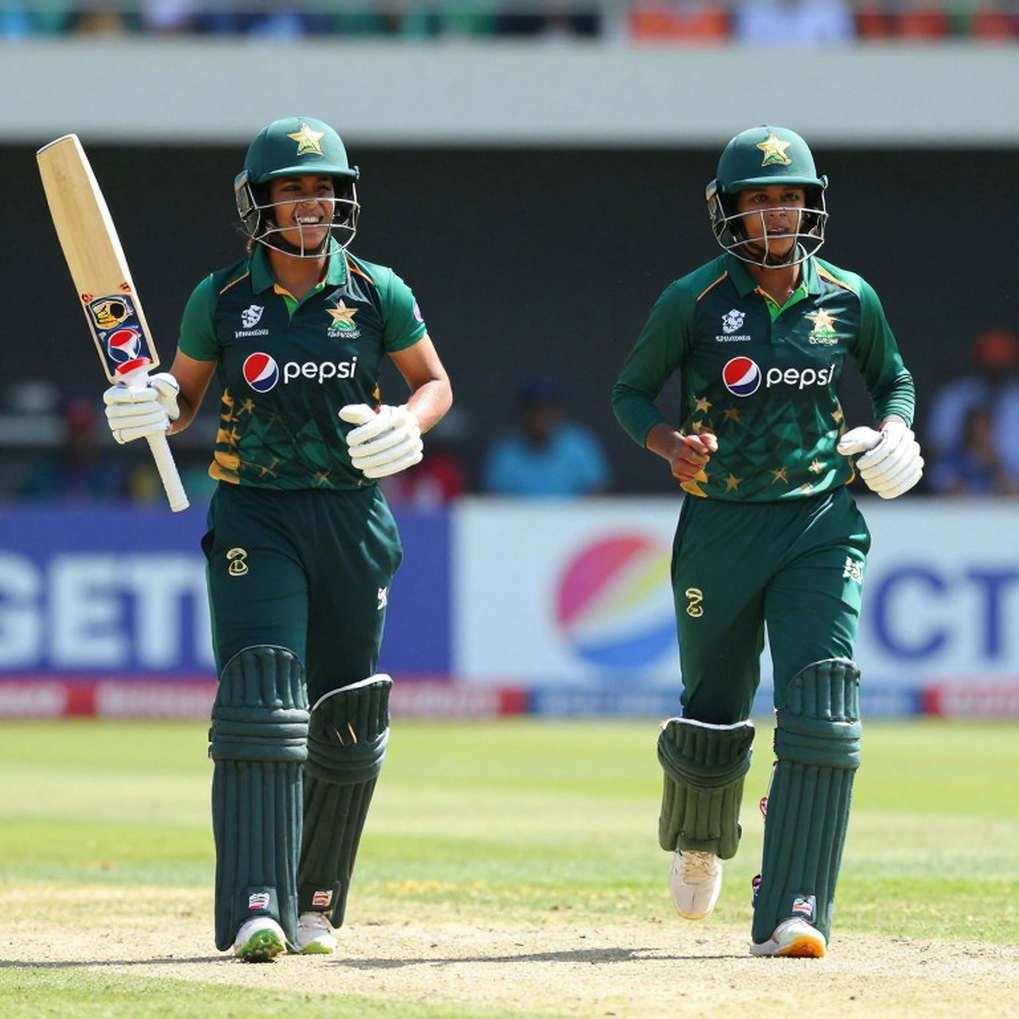
How the calendar is actually built
The international calendar — what the ICC calls the Future Tours Programme — is essentially a sum of bilateral agreements between national boards. Each board decides its own series: against whom, how many matches, in which format, in which season. On paper this autonomy looks democratic. In practice it means the schedule is shaped more by commercial logic than by the game's interest. A board with a large television market can sell more matches; a board without one accepts whatever it is offered. The result is that a single player may shuttle between three continents, three formats and two kinds of competition — national team and franchise — within a few months.
Three formats, three different demands
Test cricket is the most physically demanding: five days, long bowling spells, hours in the field, sustained concentration over long periods. One-day cricket is a single-day contest, but its tactical and bowling load is no lighter. T20 is the shortest format, yet its physical cost is different in kind: maximum intensity on every ball, constantly changing roles, and near-constant travel. The three formats demand different techniques and different preparation. When the calendar glues them together without gaps, a player cannot be at his best in any of them. This is not merely a question of fatigue — it is a question of the quality of the cricket itself.
The expansion of franchise leagues and its cost
Over the past two decades franchise cricket has spread across much of the world. India's IPL remains the largest economic centre, its season now stretching beyond two months and its match count at 74. Australia's Big Bash, England's Hundred, Pakistan's PSL, the Caribbean Premier League, South Africa's SA20 and the UAE's international league — the list keeps growing. These leagues have transformed players' income structures and created employment for cricketers from smaller nations that simply did not exist before. But the expansion carries a cost. League windows frequently collide with international series, forcing boards either to grant exceptions to centrally contracted players or to make them choose between the two. Either way, the standing and priority of international cricket take a hit.
The growing load on players
The most vocal side of this debate is the players. England's Ben Stokes announced his retirement from one-day cricket in 2026, saying plainly that the burden of all three formats was no longer sustainable for him. New Zealand fast bowler Trent Boult gave up his central contract that same year so that he could manage his own workload. South Africa's Quinton de Kock retired from 50-over cricket and chose to remain available on a narrower basis. These three decisions came from three different countries, but the root cause was identical — the calendar. It is no accident that the heaviest load falls on those who play all three formats, because the demands on them are the greatest. After rising injury counts, mental fatigue and the experience of bio-secure bubbles, the cricket world has begun to accept that a player is not merely a resource but an asset — and an asset should not be allowed to wear down.

Test cricket: high prestige, low priority
The paradox is that Test cricket is called the highest form of the game while occupying its least secure place in the calendar. The World Test Championship has given the format a structure and a target, raising the stakes of bilateral series. Yet in many countries Tests are treated as a loss-making proposition and receive lower priority than limited-overs cricket. Some teams play more than ten Tests a year; others fewer than five. This inequality is not just a scheduling matter; it affects the fairness of the competition, because teams do not play the same number of matches against opponents of the same quality. Until the economics of Test cricket improve, the format will remain top in prestige and bottom in priority.
The position of smaller cricket nations
The least discussed side of calendar politics belongs to the smaller cricket nations. Teams such as Bangladesh, Afghanistan, Ireland, Zimbabwe, the Netherlands and Nepal neither control large bilateral series nor possess the bargaining power in broadcast markets that the bigger boards enjoy. Their calendars are often filled from other people's empty dates. Afghanistan has proved its Test status through performance but is not given the chance to play Tests regularly. This inequality is the biggest obstacle to the global growth of the game. Until newer nations get regular and meaningful competition, talk of expanding cricket's global reach will remain on paper.

Broadcast rights and economic inequality
Broadcast rights are the centre of cricket's economy. The rights for a major board's home series can be several times the amount a smaller board receives in an entire year. The effect shows up in two places. First, bigger boards sell more matches and earn more, which increases their share of the calendar. Second, smaller boards depend on tours by bigger boards for their income. Questions have repeatedly been raised about the ICC's revenue distribution model, and that debate is not only about money — it is about competitive balance. In a sport where some teams play all year and others sit idle for months, both rankings and results are distorted.
Governance: whose interests decide
The ICC is a member-run body in which decisions rest with board representatives. That structure naturally privileges the interests of the larger boards, which command the most resources and voting weight. Player representation in this system is limited, even though players are the most directly affected party. The rise of franchise leagues complicates the picture further, because private investors' interests now enter the decision-making process too. The question, then, is whether the calendar can be left purely to commercial equations, or whether it needs a clear, public and long-term framework that puts the quality of the game and player safety at its centre.
The direction of solutions
There is no single-line fix, but some directions are clear. First, a fixed and globally coordinated window for franchise leagues, so that leagues and international series stop colliding. Second, mandatory rest periods and format-specific workload limits for players, monitored independently. Third, a rationalised bilateral structure, with a stable two-year cycle for Test cricket that offers equal opportunity. Fourth, revenue distribution that leaves smaller boards financially able to compete regularly. Fifth, formal participation for players' associations and representatives in calendar decisions. None of these is sufficient alone, but without them the prospects for improvement are thin.
Conclusion
Cricket's calendar today is far more than a technical document — it is a mirror of the sport's priorities. It reveals whom the game values: the big market or broad competition, more matches or better matches, immediate revenue or long-term sustainability. A growing market is not a bad thing, but a sport in which everything grows except the players themselves is not a sport one can imagine lasting. The real challenge is whether administrators can rise above short-term interests and build a calendar in which all three formats survive, every nation gets a fair chance to play, and players can live the full span of a career without breaking. The answer to that question will not be found in the result of any single series, but in the dates of the next Future Tours Programme.