
होमWrestlingNational Wrestling Championship: Rise of a New Generation, Return of Veterans and the Road to the Olympics
National Wrestling Championship: Rise of a New Generation, Return of Veterans and the Road to the Olympics
राष्ट्रीय कुश्ती चैंपियनशिप लखनऊ के बाबू बनारसी दास इनडोर स्टेडियम में सात दिनों तक आयोजित की गई, जिसमें 26 राज्यों और छह रेलवे व सर्विसेज टीमों के 640 से अधिक पहलवानों ने फ्रीस्टाइल, ग्रीको-रोमन और महिला कुश्ती के तीस भार वर्गों में हिस्सा लिया। टूर्नामेंट का मुख्य आकर्षण युवा पहलवानों का उदय, वरिष्ठ खिलाड़ियों की वापसी और महिला कुश्ती में बढ़ती भागीदारी रही। महिला वर्गों में भागीदारी पिछले संस्करण से लगभग 18 प्रतिशत अधिक रही और कम से कम नौ अंडर-23 व जूनियर पहलवानों ने वरिष्ठ वर्ग में पदक जीते। आयोजकों ने कहा कि आने वाले अंतरराष्ट्रीय ट्रायल्स में इस चैंपियनशिप के प्रदर्शन को महत्वपूर्ण भार दिया जाएगा, लेकिन फिटनेस, अनुभव और फॉर्म भी आधार होंगे। अगले साल से अंडर-23 और जूनियर वर्गों के लिए अलग मैट उपलब्ध कराने और वीडियो विश्लेषण टीम को मजबूत करने की योजना की घोषणा की गई।
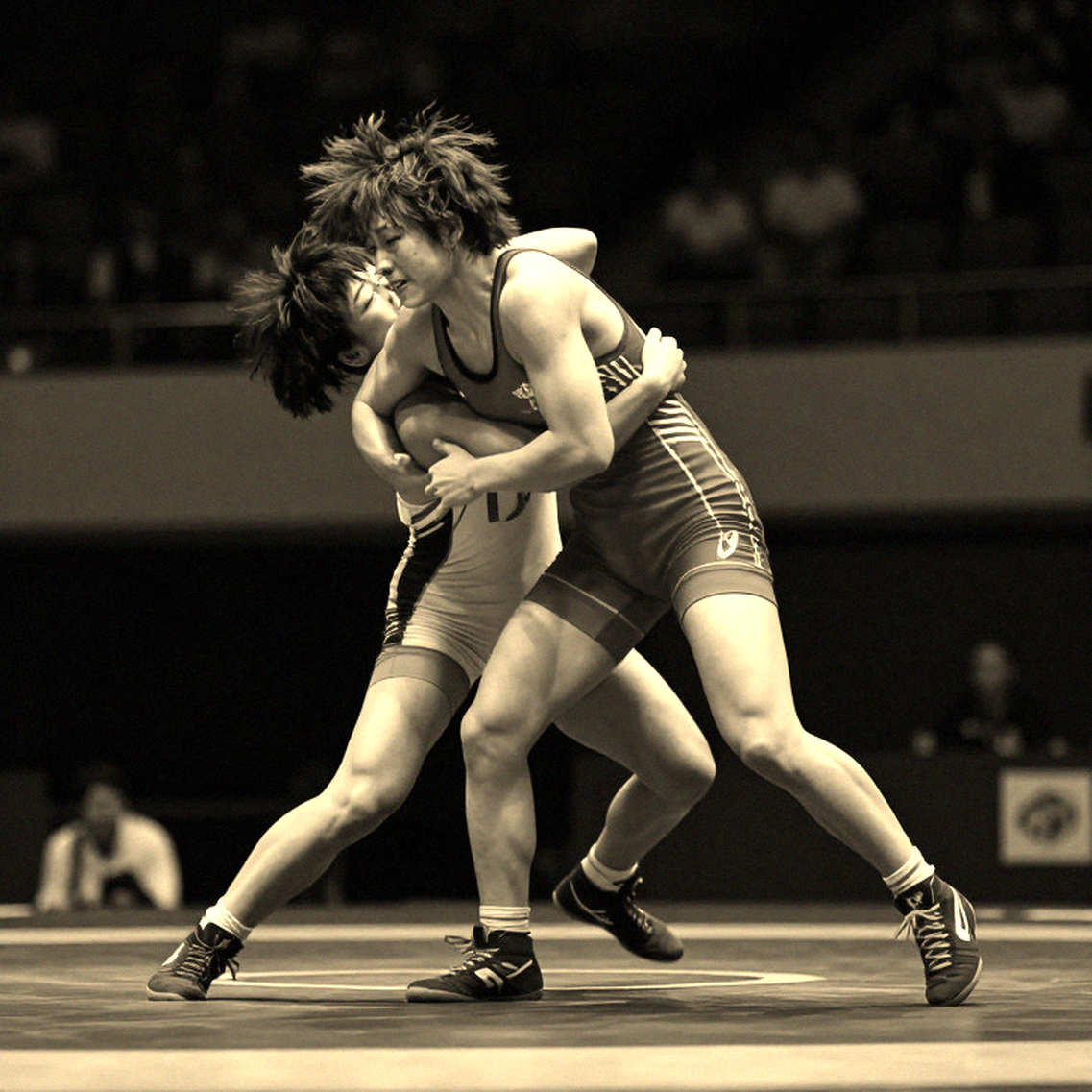
The National Wrestling Championship, held over seven days at Lucknow's Babu Banarasi Das Indoor Stadium, concluded not merely with a medal count but with a blueprint for the future of Indian wrestling. More than 640 wrestlers from 26 states and six railway and services teams competed across thirty weight categories in freestyle, Greco-Roman and women's wrestling. What unfolded on the mat was not just a display of technique and strength, but the signature of a generation eager to step out of the shadow of familiar names and build its own identity.
The biggest draw of the tournament was the return of several senior wrestlers who had represented the country at the international level in recent years, even as a host of new faces pushed them hard. Organisers said spectator turnout was the highest in the last four editions, with final-session tickets sold out two days in advance.
At the opening ceremony, sports officials made clear that domestic competitions are not merely a selection tool but a laboratory for international preparation. They said that over the next three years special attention would be paid to wrestling infrastructure, coaching certification and sports-science support.
What happened in the men's 57kg freestyle category became the most talked-about bout of the entire tournament. A young wrestler beat an experienced opponent in the semi-final by two points in the closing moments and maintained his momentum in the final. His greatest strengths were his balance and his ability to attack from a low stance. Coaches acknowledged that competition in this category was so fierce that the pressure felt international from the quarter-finals onward.
The 65kg category offered a clash of experience and youthful energy. A former champion used his experience to secure technical superiority in the quarter-final and semi-final, but faced a stiff challenge from a young rival in the final. Points were exchanged throughout the last three minutes, and the result was decided by a single point. The bout proved that experience alone is no longer enough in domestic wrestling.
In the 74kg category there was a major upset when a wrestler who had struggled to qualify defeated two senior competitors in succession to win a medal. His strategy was clear: defensive wrestling in the first two minutes, then attacking by exploiting his opponent's fatigue. That approach was discussed throughout the tournament and cited by many coaches as a lesson for young wrestlers.
The 86kg and 97kg categories clearly showcased physical power and grip strength. Bouts in these categories ended quickly, with points often decided on technical superiority. Experts believe there is still a lack of international-level consistency in the heavier weight classes and that special training camps are needed in this direction.
Women's wrestling was the strongest aspect of the tournament this time. Bouts across the 50, 53, 57, 62, 68 and 76kg categories were high in both quality and intensity. Several bouts remained undecided until the final second, and spectators rose to applaud.
The winner in the 53kg category did not concede a single point throughout the tournament and won all four of her bouts on technical superiority. Her greatest attribute was balanced attack and the ability to escape an opponent's grip quickly. Coaches described her as a serious contender for the upcoming international cycle.
Both the semi-final and final in the 62kg category were thrilling. In the final, the two wrestlers were level on points in the last thirty seconds, and the decision came on passivity. The nuances of such rules prompted discussion among coaches and wrestlers about how strategy should change in the closing moments.
In the 68kg category, a wrestler who had been out for a year due to injury won gold. Her comeback demonstrated how important modern rehabilitation and physiotherapy have become. She made aggressive starts in all her bouts and put opponents under pressure within the first minute.
The 76kg final between an experienced wrestler and a young athlete was the longest bout of the tournament. The points gap never exceeded three and spectators held their breath until the end. Experience ultimately prevailed, but the young wrestler proved she is preparing for the next cycle.
Greco-Roman categories showed clear technical discipline. Indian wrestlers are not considered to have deep roots in this style, but this time young wrestlers from several states demonstrated high-level grip and balance. The 60kg and 67kg finals placed special emphasis on grip and body-lock technique. Experts said that if technical training continues in this manner, India could become a strong contender in this style in the coming years.
The rise of young wrestlers was the biggest story of this championship. At least nine wrestlers coming from the under-23 and junior ranks won medals in the senior category. Several of them defeated more experienced opponents. The direct message is that competition in the domestic selection process is intensifying and places in the team will no longer be awarded on reputation alone.
One young wrestler said the tournament was like an examination for him. He said that for the past two years he had worked on only one thing: conserving energy for the final thirty seconds. He believes that in domestic bouts the margin of victory is often decided by this factor alone.
The return of veterans was no less noteworthy. Some senior wrestlers competed after a long gap and raised the level of the tournament with their presence. They acknowledged that domestic competitions are equally important for them, as they keep the rhythm of competition alive.
One senior wrestler said he had made changes to his technique over the past few months and the purpose of this championship was to test how effective those changes were on the mat. He admitted that the speed and strength of young wrestlers are now better than before and that he must continuously refine his strategy.
Coaches and technical officials expressed satisfaction with the organisation. They said the mats, timing system, video referee and medical assistance were close to international standards. Video referral was used in some bouts, increasing transparency in decisions.
Some challenges also emerged. Delays occurred in the schedule because of a high number of bouts in some weight categories, and some wrestlers had to fight three or four bouts in a single day. Coaches said fatigue management has now become a serious issue and that bouts should be scheduled in future to allow adequate rest.
Selection policy was also discussed. Officials clarified that performance at this championship would carry significant weight for upcoming international trials, but would not be the sole criterion. Fitness, international experience and form would also be considered. This came as a relief to several young wrestlers, while some senior athletes said the rules should be clear and announced in advance.
Stories from the grassroots were inspiring once again. Wrestlers from villages in Haryana, Uttar Pradesh, Maharashtra, Punjab, Rajasthan and Madhya Pradesh demonstrated that talent is not in short supply. Several said they train on mud in akharas and have limited access to modern mat training.
One wrestler said the mud of the akhara gives him strength, but at the international level the speed and balance of the mat are different. He said he felt nervous at first competing in a large stadium, but coach's instructions helped him settle.
Special sessions on sports science and nutrition were held. Experts said many wrestlers still rely on old methods of weight management, which can cause injury and weakness. They suggested that weight-cutting should be done under medical supervision and that a nutrition plan should be prepared in advance for the season.
Injury management was also discussed. Some wrestlers suffered shoulder, knee and elbow injuries during the tournament. The medical team provided immediate assistance and in some cases wrestlers were kept off the mat as a precaution. Experts said rehabilitation and mental resilience must now be an integral part of training.
A clear wind of change was visible in women's wrestling. Participation in women's categories was about 18 percent higher than the previous edition. Several states sent women's teams for the first time and some new talents made an immediate impact. Organisers said this change is not only about numbers but also about mindset.
One woman wrestler said that earlier there was hesitation in her village about girls learning wrestling, but the environment is now changing. She said her family supported her and she now wants to represent the country internationally.
Funding and infrastructure were also discussed. Officials said modern mats, gyms and recovery facilities are being provided to some regional academies. But coaches believe that many districts still lack proper training centres and that talent faces resource constraints in reaching cities.
Given the international calendar, this championship was important in several ways. Ranking series and continental competitions are scheduled in the coming months, several of which will be crucial for the Olympic cycle. Coaches said the real challenge is to replicate domestic performances at the international level.
Technical analysis revealed that Indian wrestlers' greatest strength is their lower body and balance, while the weakness lies in the ability to make constant adjustments in parterre clinches and grips. Experts suggested that training should include drills focused on breaking an opponent's grip and changing position quickly.
A senior coach said that in modern wrestling, point management is as important as strength. He said several wrestlers lost their lead in the closing moments because they did not correctly assess time and risk. This is a lesson that comes only from match practice.
A special workshop for young wrestlers was also held during the tournament, covering international rules, weight management and mental preparation. Several wrestlers said such workshops should be regular, as they learn more from formal guidance than from information gathered on the mat.
The organising committee announced that from next year separate mats will be provided for under-23 and junior categories so that young athletes get adequate opportunity in competition alongside seniors. A plan to strengthen the video analysis team was also drawn up.
At the closing ceremony, while honouring the medal winners, it was said that wrestling is part of India's cultural heritage and should not be limited to medals alone. Officials said a balance must be struck between the tradition of akharas and modern sports science.
This championship sent a clear message: Indian wrestling does not lack talent; what it lacks is continuity and systematic support. Young wrestlers showed they are ready, veterans showed they are not finished yet, and women wrestlers showed they are behind no one at any level. What is now needed is to convert this energy into results on the international stage.
For the next cycle, coaches suggested priorities: separate training camps for specific weight categories, regular fitness testing, counsellors for mental resilience and a talent-identification drive at the grassroots. They believe that consistent work on these fronts could help Indian wrestling register an even stronger presence in the international medal table in the coming years.
The tournament ended on an emotional note when a young wrestler dedicated his first national medal to his village akhara and coach. The spark in that wrestler's eyes as he stood on the mat was proof that wrestling is not just a sport, but a path to change for millions of families.
संबंधित खिलाड़ी
लोकप्रिय/पसंदीदा पुस्तकें
National Wrestling Championship: Rise of a New Generation, Return of Veterans and the Road to the Olympics2026-11-08
The 100-Gram Case: Vinesh Phogat's Paris 2026 Disqualification Was an Administrative Failure, Not an Athletic One2026-11-06
50.100 kg: The Hundred Grams and the Broken Ledger of India's Eight Wrestling Medals2026-10-26
The 100-Gram Ledger: Indian Wrestling's Weight-Cut File from Paris to Los Angeles2026-10-24
The Hundred-Gram Ledger: Indian Wrestling's Real Scorecard, from Paris to the Trials Room2026-10-24
India's Wrestling Deficit Isn't on the Scale, It's on the Selection Sheet2026-10-23
100 Grams: The Real Scoreboard of Indian Wrestling, from Paris to Tokyo2026-10-23
Source Analysis Unavailable: A Wrestling Report Requires Verified Facts2026-11-06
अनुशंसित
Two Scales, Two Mornings: Vinesh Phogat's 100 Grams and the Audit of Indian Wrestling's Weigh-In Machinery2026-10-24
The Wage Beneath the Scale: Weight, Rule and the Uncounted in Indian Wrestling2026-11-05
Eight Medals, Zero Gold: The Ledger Between the Scale and the Selection File2026-10-24
The Hundred-Gram Ledger: Indian Wrestling's Real Scorecard, from Paris to the Trials Room2026-10-24
One Hundred Grams and One Line of Text: From the Paris Scale to the Domestic Trials Circular2026-10-23
The Ten Months Behind the Hundred Grams: India's Wrestling Ledger That No One Holds2026-10-25
One Hundred Grams and Six Quotas: Indian Wrestling's Decisive Battles Now Happen on Scales and Paperwork, Not on the Mat2026-10-24
The PWL Returns in 2026: The Auction Floor, Not the Federation Notice, Will Price Indian Wrestling2026-10-24
अनुशंसित
One Hundred Grams and One Line of Text: From the Paris Scale to the Domestic Trials Circular2026-10-23
The Ten Months Behind the Hundred Grams: India's Wrestling Ledger That No One Holds2026-10-25
National Wrestling Championship: Rise of a New Generation, Return of Veterans and the Road to the Olympics2026-11-08
Indian Wrestling's Real Scoreboard: The Scale, the Calendar and the Chargesheet2026-10-23
From the Weigh-In Slip to the Trial Order: India's Wrestling Ledger Is Still Open2026-10-29
The 100-Gram Ledger: Indian Wrestling's Weight-Cut File from Paris to Los Angeles2026-10-24
The Hundred-Gram Ledger: Indian Wrestling's Real Scorecard, from Paris to the Trials Room2026-10-24
100 Grams: The Real Scoreboard of Indian Wrestling, from Paris to Tokyo2026-10-23
अनुशंसित
One Hundred Grams and Six Quotas: Indian Wrestling's Decisive Battles Now Happen on Scales and Paperwork, Not on the Mat2026-10-24
Source Analysis Unavailable: A Wrestling Report Requires Verified Facts2026-11-06
From the Weigh-In Slip to the Trial Order: India's Wrestling Ledger Is Still Open2026-10-29
Indian Wrestling's Ninth Medal Is Lying in a Delhi Room2026-10-23
Eight Medals, Zero Gold: The Ledger Between the Scale and the Selection File2026-10-24
When Weight-Cutting Becomes 'Science': The Real Contest Hidden in Indian Wrestling Trials2026-11-05
100 Grams: The Real Scoreboard of Indian Wrestling, from Paris to Tokyo2026-10-23
The PWL Returns in 2026: The Auction Floor, Not the Federation Notice, Will Price Indian Wrestling2026-10-24
अनुशंसित
Wrestling’s Transfer Window: The Scale, the Salary Ledger and Those Hundred Grams2026-10-23
One Hundred Grams and Six Quotas: Indian Wrestling's Decisive Battles Now Happen on Scales and Paperwork, Not on the Mat2026-10-24
The 100-Gram Ledger: Indian Wrestling's Weight-Cut File from Paris to Los Angeles2026-10-24
Report Cannot Be Prepared Because the Analysis Is Unavailable2026-11-06
Indian Wrestling's Ninth Medal Is Lying in a Delhi Room2026-10-23
Indian Wrestling's Real Scoreboard: The Scale, the Calendar and the Chargesheet2026-10-23
From the Weigh-In Slip to the Trial Order: India's Wrestling Ledger Is Still Open2026-10-29
National Wrestling Championship: Rise of a New Generation, Return of Veterans and the Road to the Olympics2026-11-08